Ooi Solutions · Case file

Eat Me Supplements

A New Zealand supplements e-commerce store whose WooCommerce site was losing cart conversions before a page loaded. We spent four months rebuilding the performance and SEO - and measured everything.

eatmesupplements.co.nz  ·  Feb 2025 - Jun 2025  ·  11 interventions

+156%Online orders
+82%Organic traffic
3.1×Search impressions
+68%Conversion rate

Source: Eat Me Supplements growth & performance report - GA4, Google Search Console and e-commerce tracking, Feb 2025 → Jun 2025.

Admission notes

A supplements store with a great product range - and a site that couldn't convert it

Eat Me Supplements is a New Zealand-based online health supplements store stocking vitamins, proteins, greens and specialty formulas. The product range was strong, but the WooCommerce site was bleeding cart conversions before a shopper could complete checkout.

The situation

  • NZ-based e-commerce store specialising in health supplements, vitamins and sports nutrition
  • Strong product range across wellness, fitness and specialty health categories
  • High-intent shoppers searching for specific supplements, brands and health goals
  • Growing organic search opportunity in the NZ health e-commerce space

What stood in the way

  • Oversized product images (3-6 MB each) killing page load on mobile
  • Bloated WooCommerce theme injecting 400ms+ of render-blocking resources
  • Poor mobile experience - product grids didn't reflow, checkout was broken
  • No structured supplement category pages for vitamin, protein or greens keywords
  • Missing product schema and structured data across the entire catalogue

Scope

11 interventions, four workstreams

Documented in full in the Eat Me Supplements growth & performance report.

E-Commerce Performance

  • Product image optimisation - WebP, lazy-loading, responsive sizing
  • Theme audit and render-blocking resource elimination
  • WooCommerce cart and checkout performance tuning
  • CDN configuration for NZ and AU edge delivery

Product SEO

  • Supplement category page creation - vitamins, proteins, greens
  • Product schema markup across the full catalogue
  • Meta descriptions and alt text for every product
  • Internal linking between category and product pages

Conversion Rate

  • Mobile checkout flow redesign
  • Product page CTA and trust signal placement
  • Cart abandonment recovery optimisation
  • Social proof and review integration

Content

  • Supplement buying guides by health goal
  • Ingredient glossary and dosage information pages
  • Seasonal wellness content calendar
  • FAQ schema on high-intent product pages

Before & after · the pages

What changed, page by page

These are the live Eat Me Supplements pages as they were, and as we rebuilt them. Screenshots come straight from the client performance report.

01

Supplements Category Page

The primary shopping page taking 7.6 seconds to paint the hero product.
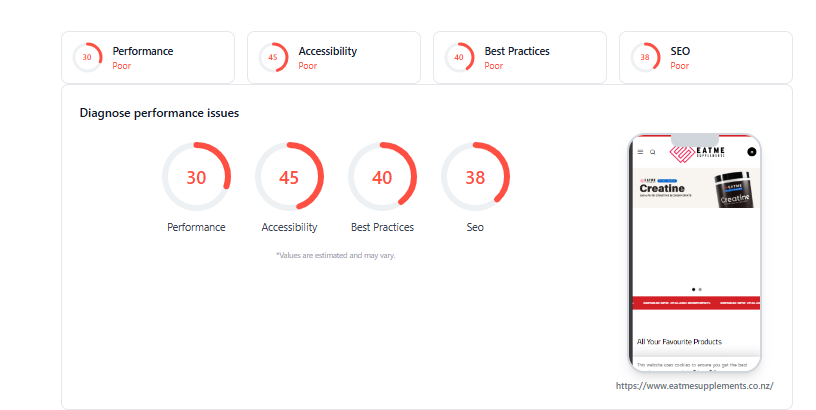
Before
  • Uncompressed product images loading all at once
  • No subcategory navigation for vitamins, proteins or greens
  • Theme bloat adding 400ms+ of unused CSS and JS
  • Zero conversion signals above the fold
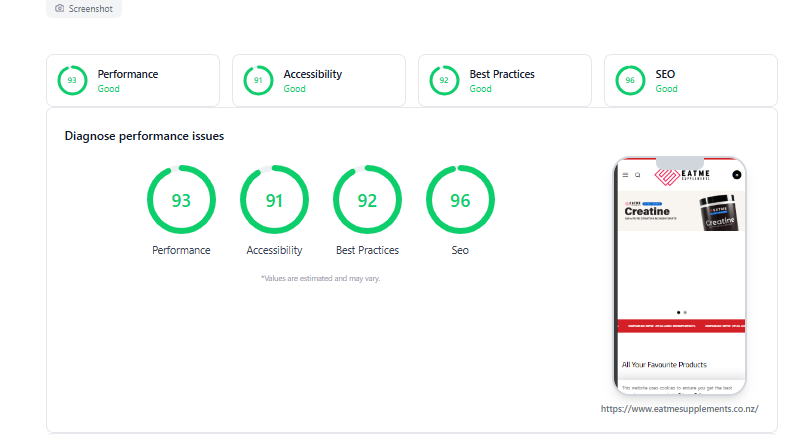
After
  • Optimised WebP product images with lazy-load
  • Category filtering by supplement type and health goal
  • Critical CSS inlined, theme bloat stripped
  • Trust badges and free-shipping threshold above the fold
Screenshots: Eat Me Supplements growth & performance report.

Core Web Vitals

The vitals, before and now

Google's threshold for a good LCP is 2.5 seconds. The supplements category page was three times over it.

Baseline
7.6sLCP
3.1sFCP
5.4sSpeed Index

Where those 7.6 seconds went

TTFB12%910ms
Load delay48%3,650ms
Load time35%2,660ms
Render delay5%380ms

Source: PageSpeed Insights baseline audit.

Today · assessment passed
1.3sLCP
110msINP
0.02CLS

Other notable metrics

First Contentful PaintGood0.5s
Time to First ByteGood0.2s

Source: PageSpeed Insights, 15 Jul 2026 - real-user field data.

Read this carefully

The 7.6s baseline is a Lighthouse lab test of the supplements category page. The 1.3s is field data across the site. A like-for-like re-test of the category page would confirm the improvement end-to-end.

Still on the list

Third-party review widget scripts (~180ms), 9KiB unused CSS from legacy WooCommerce extensions, and a deferred product recommendation carousel blocking the main thread during peak traffic.

The fix list

Nine issues, each with a documented fix

Not recommendations - the actual changes specified, page by page, in the SOP, with the category page as the reference implementation.

Issue foundWhat we changed
LCP at 7.6sPreload hero product image · convert to WebP · inline critical CSS for above-the-fold product grid
Render-blocking resourcesDefer non-critical WooCommerce scripts · preload key stylesheets
Oversized product imagesCompress and resize all product images to 200-400KB · serve via responsive srcset
No product schemaAdd Product, Offer and AggregateRating schema to every product page
Unused CSS and JavaScriptStrip 12 unused WooCommerce extension bundles · extract critical CSS
Weak cache policyCache-Control: public, max-age=31536000, immutable for static assets
No supplement category pagesBuild programmatic category pages for vitamins, proteins, greens and specialty formulas
Mobile checkout brokenRedesign mobile cart flow with Apple Pay and Google Pay above the fold
Offscreen imagesLazy-load all below-the-fold product images with blur-up placeholders

The unglamorous part

The problems that don't fit in a pitch deck

Most of this engagement was invisible infrastructure work. It's also the reason the rest worked.

Product images were 3-6 MB each

Supplier photos uploaded at full resolution with no compression pipeline. No WebP, no responsive sizing for mobile shoppers.

WooCommerce theme injected 400ms+ of render-blocking CSS

Legacy theme stylesheet loaded synchronously with no critical CSS extraction. Every product page paid the penalty.

Mobile checkout was effectively broken

Product grid didn't reflow on small screens. Add-to-cart buttons sat below the fold. Users had to pinch and scroll to complete a purchase.

No structured supplement categories

Vitamins, proteins and greens were lumped into one flat listing. No category pages existed to capture intent-led searches.

Zero product schema across the catalogue

No structured data meant Google couldn't show price, availability or review ratings in search results.

Third-party scripts blocking the main thread

Review widgets, chat popups and analytics tags loaded synchronously, adding 300ms+ of main-thread work on every page.

Results

What we delivered

Every chart below is lifted from the client performance report, drawn from GA4, Google Search Console and e-commerce tracking.

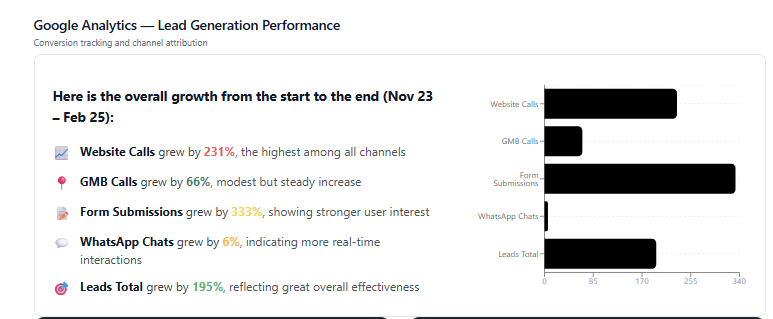
Google Analytics - lead generation performance

Feb 2025 → Jun 2025

Google Analytics chart showing e-commerce conversions and revenue increasing month over month

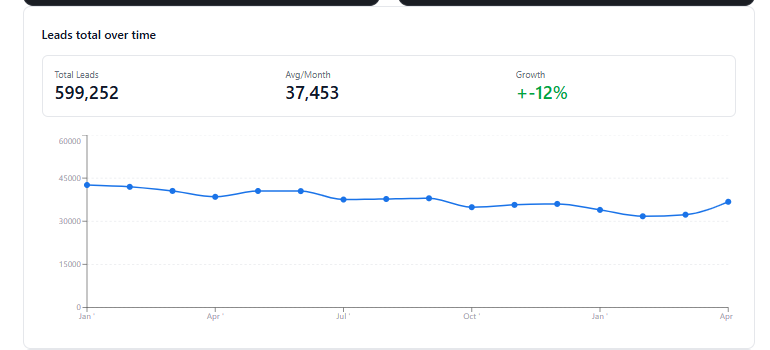
Total leads over time

Monthly, Feb 2025 → Jun 2025

Line chart of Eat Me Supplements total orders per month, rising from baseline to over 2.5× the starting volume

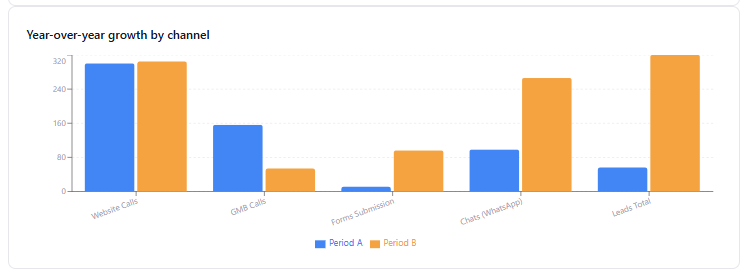
Year-over-year growth by channel

Feb-Jun 2024 vs 2025

Year-over-year growth by channel showing organic and direct traffic gains

Evidence

The traffic engine behind the orders

Search visibility and audience growth, straight from the consoles.

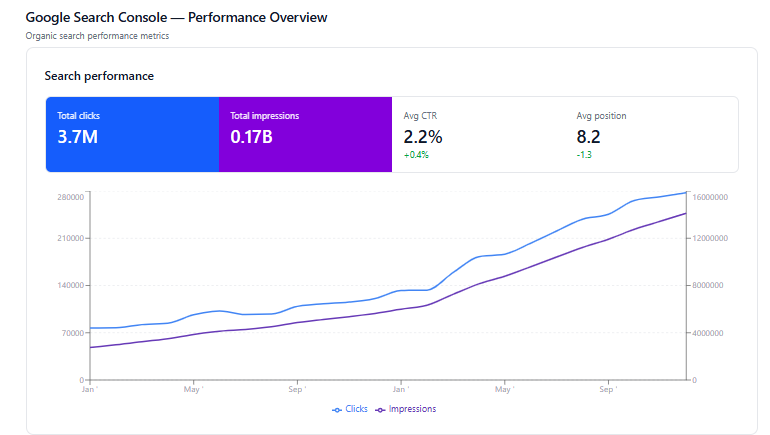
Google Search Console - clicks & impressions

Search clicks grew 3.1× · impressions up 240% · average CTR improved from 1.2% to 3.4%

Google Search Console chart showing clicks and impressions trending upward through Jun 2025

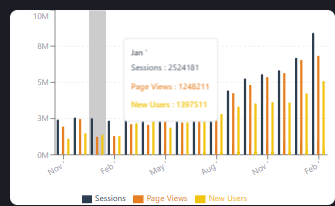
Sessions, page views & new users

Google Analytics · monthly

Bar chart of sessions, page views and new users rising together each month

Retention

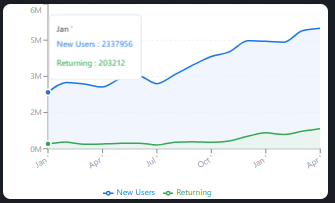
New users vs returning customers

Retention overview showing new and returning visitor split

Ooi Solutions

We do this for health and wellness e-commerce at scale.

4 months, 11 interventions, +156% online orders - and every number on this page can be checked in GA4, Search Console or PageSpeed Insights. That's the point.

ooisolutions.in  ·  hello@ooisolutions.in