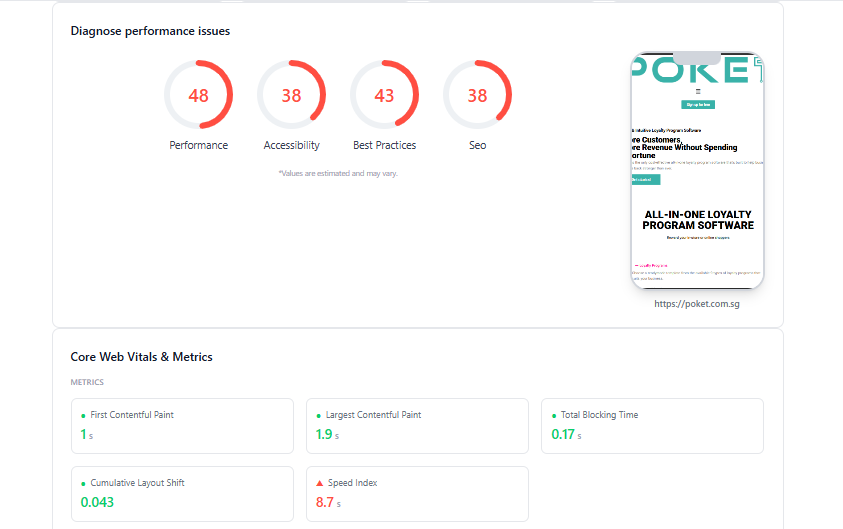
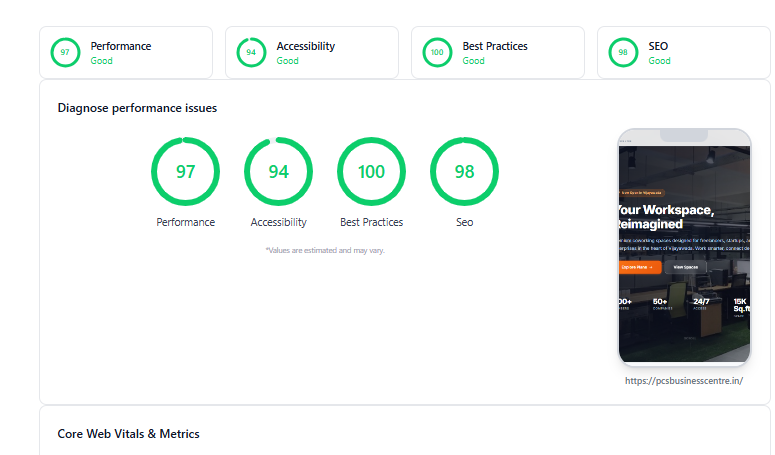
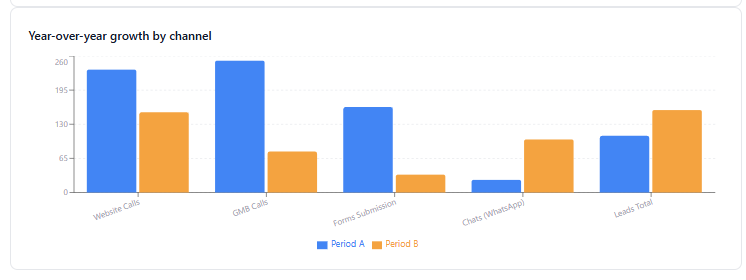
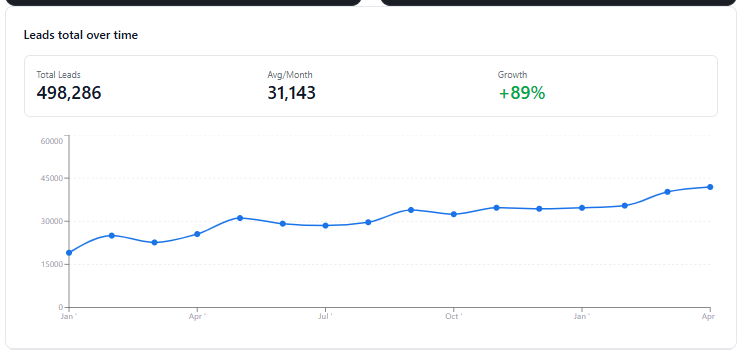
Most of this engagement was infrastructure nobody sees. It’s also the reason the rest worked.
App-first architecture
The platform was built mobile-first with minimal server-rendered web content. Getting listing data indexed required a fundamental shift in how pages were delivered to search engines.
Map widgets killing performance
Interactive maps loaded on every listing page, consuming main-thread time and blocking content render. Deferring them without losing UX quality was a careful balancing act.
Competing with real estate giants
Zillow, Realtor.com and Trulia had millions of listings, decades of domain authority and enormous backlink profiles. Every ranking required a fundamentally different approach.
Duplicate location pages
Thin, duplicated pages across property markets created crawl budget waste and cannibalisation. Each market needed unique, locally relevant content to compete.
Dynamic listing heights causing CLS
Property cards with variable image ratios and lazy-loaded content created significant layout shift, hurting Core Web Vitals scores across the site.
No structured data foundation
Zero RealEstate or Property schema existed on any listing page. Without structured data, the site was invisible to real estate-specific search features and rich results.