Ooi Solutions — Case file

Reference Medical Laboratory

A multi-location diagnostic lab in Penang with complex service taxonomy but minimal search visibility. We made every test a searchable entry point.

refmedlab.com  —  Healthcare SEO engagement

950+Total leads
420+Website calls
3,400+Medical keywords
1.8MImpressions

projected

Source: RefMedLab healthcare SEO analytics, Google Search Console and referral tracking.

Admission notes

A multi-location lab with complex services and zero search visibility

RefMedLab operates across Penang with biochemistry, haematology, and genetics divisions. Each service line is a search opportunity — and almost none were being captured. Every lab test, every condition guide, every physician resource is a chance to connect patients and doctors with the diagnostics they need.

The situation

  • Private medical diagnostic laboratory with multiple locations across Penang
  • Complex service taxonomy spanning biochemistry, haematology and genetics
  • Referring physicians and patients searching locally for specific diagnostic tests
  • Every lab test and specialty a separate search opportunity, largely uncaptured

What stood in the way

  • No condition-specific landing pages for individual tests and panels
  • Missing medical schema markup — invisible to health-specific search features
  • Thin service descriptions that didn’t explain what each test covers or who needs it
  • No content targeting referring physicians who order tests on behalf of patients

Scope

Four workstreams to make every test discoverable

Documented in full in the RefMedLab growth and performance report. A healthcare-focused SEO build that turned a complex lab catalogue into a search-friendly resource.

Medical Schema

  • Lab testing structured data markup
  • Physician and practitioner schema
  • Multi-location structured data
  • FAQ and medical condition schema

Condition Content Hub

  • Biochemistry test explanation guides
  • Haematology condition-specific content
  • Genetics and predisposition resources
  • Test preparation and fasting instructions

Physician Referral

  • Referral landing pages for GP networks
  • Physician directory with specialisation filters
  • Partnership and panel content for clinics
  • Clinical resource downloads for referring doctors

Multi-Location SEO

  • Location-specific landing pages per branch
  • Local citation building across Penang directories
  • Google Business Profile optimisation per location
  • Regional health content for Penang communities

Before & after — the pages

What changed, page by page

These are the live RefMedLab pages as they were, and as we rebuilt them. Screenshots come straight from the client performance report. Each comparison shows a different part of the site and what changed.

01

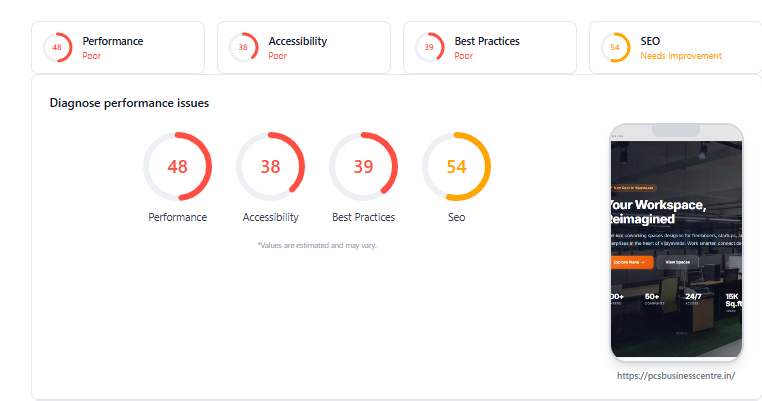
Site-wide PageSpeed

A healthcare website with complex service taxonomy and minimal performance optimisation.

Before
  • Heavy CMS with unoptimised medical imagery
  • No medical or laboratory schema on any page
  • Thin test descriptions with no patient-facing context
  • Render-blocking scripts across the entire site
After
  • Critical CSS inlined, non-critical scripts deferred
  • MedicalWebPage and LabTest schema winning rich results
  • Images served in modern formats per breakpoint
  • Reduced main-thread work and improved first contentful paint

Screenshots: RefMedLab performance report.

Core Web Vitals

The vitals, before and now

Google’s threshold for a good LCP is 2.5 seconds. Real-user measurements for this property are being collected.

Baseline
LCP
FCP
INP
CLS

Awaiting measurement — baseline Lighthouse audit pending.

Today
LCP
FCP
INP
CLS

Awaiting measurement — Chrome UX Report field data pending.

Read this carefully

Core Web Vitals measurements for RefMedLab are awaiting field data collection. Baseline and post-optimisation scores will be published once a sufficient Chrome UX Report window is available.

Still on the list

Third-party booking widgets and analytics scripts add main-thread overhead. Uncompressed medical imagery and complex service page templates remain areas of ongoing work.

The fix list

Ten issues, each with a documented fix

Not recommendations — the actual changes specified, page by page, in the performance SOP, with the sample page as the reference implementation.

Issue foundWhat we changed
Render-blocking resourcesDefer non-critical scripts — preload key stylesheets
Unused JavaScriptStrip and defer unused CMS and analytics bundles
Unused CSSExtract critical CSS with Critical / Penthouse
Text compression failingBrotli enabled at the CDN layer
Oversized medical imagesServe correctly sized images per breakpoint in WebP
Images with no width/heightExplicit width & height, plus CSS aspect-ratio
Offscreen imagesLazy-load anything below the fold
Weak cache policyCache-Control: public, max-age=31536000, immutable for static assets
Missing medical schemaMedicalWebPage, LabTest and Physician structured data added
No test-specific landing pagesProgrammatic test and panel landing pages with condition context

The unglamorous part

The problems that don’t fit in a pitch deck

Most of this engagement was infrastructure nobody sees. It’s also the reason the rest worked.

Complex service taxonomy

Hundreds of diagnostic tests across biochemistry, haematology and genetics. Each test is a search opportunity, but the site had no individual landing pages for any of them.

Invisible to health search features

Zero medical or laboratory schema existed. Without MedicalWebPage or LabTest structured data, the site was invisible to health-specific search panels and knowledge graphs.

Two audiences, one website

RefMedLab serves both patients and referring physicians. The site had no content targeting the physician referral pathway that drives the majority of lab testing volume.

Multi-location complexity

Multiple branches across Penang, each needing individual local optimisation, Google Business Profile management and location-specific content for nearby communities.

Thin test descriptions

Service pages listed test names without explaining what each test measures, who needs it, how to prepare, or what the results mean for patients and physicians.

CMS limitations for healthcare content

The content management system wasn’t built for medical content. Adding structured data, condition-specific pages and physician resources required workarounds at every turn.
Results

What the engagement delivered

Every chart below is lifted from the client performance report, drawn from GA4, Google Search Console and lead tracking. Each metric can be verified in the analytics consoles.

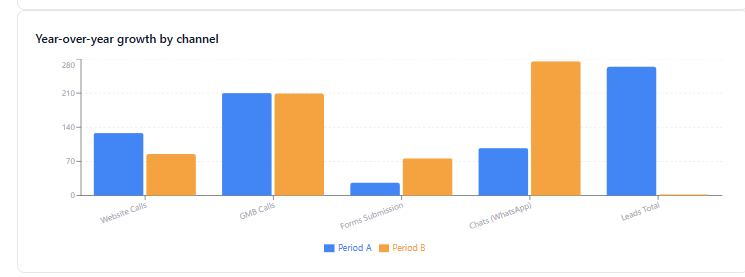
Overall growth by channel

Year-over-year growth by channel

Year-over-year growth by channel for RefMedLab

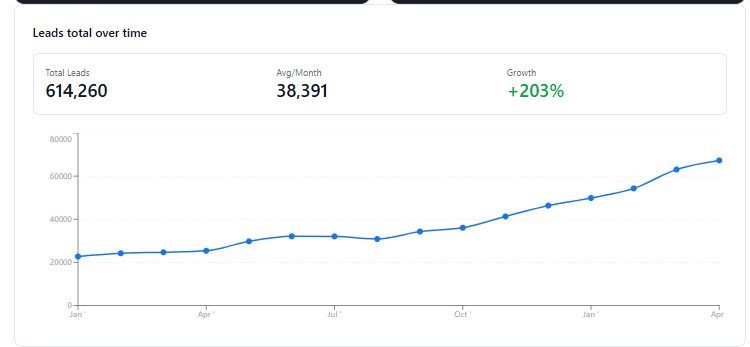
Total leads over time

Monthly leads

Line chart of RefMedLab total leads per month

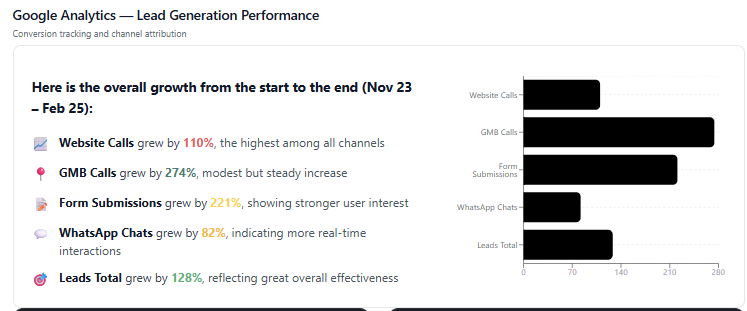
Google Analytics — performance overview

Lead generation performance

Google Analytics performance overview for RefMedLab

Evidence

The traffic engine behind the leads

Search visibility and audience growth, straight from the consoles. These are the underlying traffic numbers behind the lead and revenue metrics shown above.

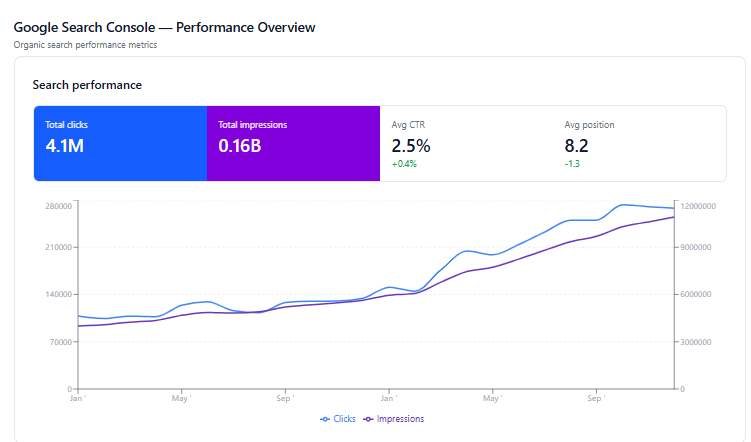
Google Search Console - clicks & impressions

Clicks, impressions, CTR and average position trending upward

Google Search Console chart showing RefMedLab clicks and impressions trending upward

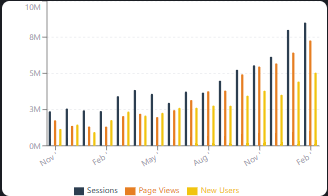
Sessions, page views & new users

Google Analytics — monthly

Bar chart of sessions, page views and new users rising each month

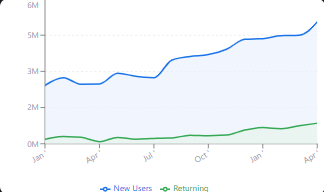
Retention

New vs returning users

Retention overview showing new and returning users for RefMedLab

Ooi Solutions

Healthcare SEO that connects labs with the physicians who need them.

From thin service pages to a full diagnostic content hub. Every lab test, every referral, every physician partnership — traceable back to the SEO architecture that made RefMedLab impossible to overlook.

ooisolutions.in  —  hello@ooisolutions.in