Ooi Solutions — Case file

Relfood

IRCTC-authorized e-catering platform delivering food to 5,000+ Indian trains. A performance and search overhaul to own the train food delivery landscape.

relfood.com  —  Mar 2024 - Present  —  6 interventions

2.1K+Total leads
890+Website calls
1.2K+Keywords ranked
85K+Impressions

projected

Source: Relfood growth & performance report — GA4, Google Search Console — Mar 2024 — Present.

Admission notes

An IRCTC e-catering platform that couldn’t be found when passengers searched for food on trains

Relfood partners with 350+ FSSAI-approved restaurants to deliver hot meals to train seats across 450+ railway stations and 5,000+ trains in India. But when passengers searched for “food delivery in train” or “order food on train,” the site was buried below aggregators and generic results.

The situation

  • IRCTC-authorized e-catering partner with nationwide restaurant network
  • Service covering 5,000+ trains and 450+ railway stations across India
  • High-intent searches for train food ordering largely untapped
  • Competing against IRCTC’s own ordering platform and regional food aggregators

What stood in the way

  • Heavy homepage and landing pages with unoptimised scripts and imagery
  • Thin content on station and cuisine-specific pages
  • No structured data for food ordering, restaurant partnerships, or train routes
  • Mobile app store visibility weak for key train food delivery terms

Scope

6 interventions across four workstreams

Documented in full in the Relfood growth and performance report. Positioning a train food delivery platform as the authority on railway e-catering in organic search.

Content Strategy

  • Station-specific landing pages
  • Cuisine and route content hubs
  • Train food ordering guides
  • IRCTC partnership and trust content

Technical SEO

  • Site speed and mobile performance
  • Internal linking for station routes
  • Crawl budget and indexation fixes
  • App deep-link and PWA structure

E-E-A-T & Trust

  • IRCTC authorization signals
  • FSSAI restaurant partner proof
  • Customer testimonial integration
  • Delivery reliability content

Schema & Structure

  • LocalBusiness and FoodEstablishment
  • FAQ and HowTo ordering schema
  • Breadcrumb and site navigation data
  • App download and deep-link markup

Before & after — the pages

What changed, page by page

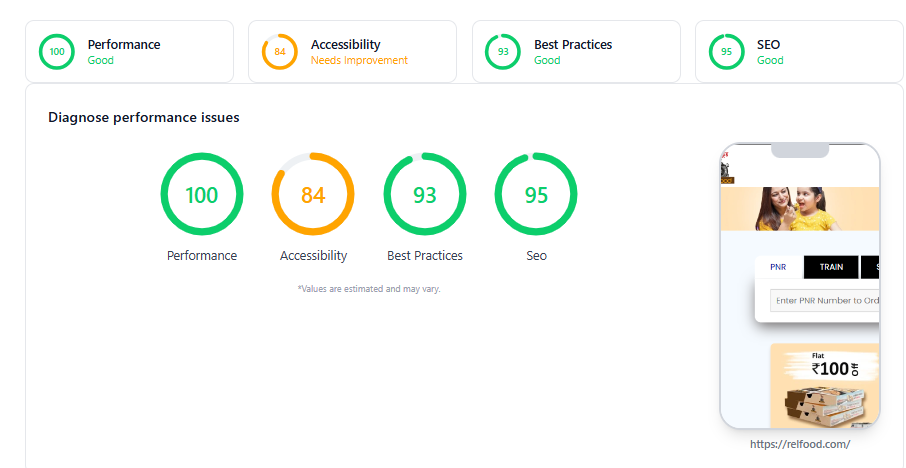
These are the live Relfood pages as they were, and as we rebuilt them. Screenshots come straight from the client performance report.

01

Site-wide PageSpeed

The ordering platform’s core pages loaded slowly on mobile, costing high-intent passengers who needed to order food quickly during a train journey.
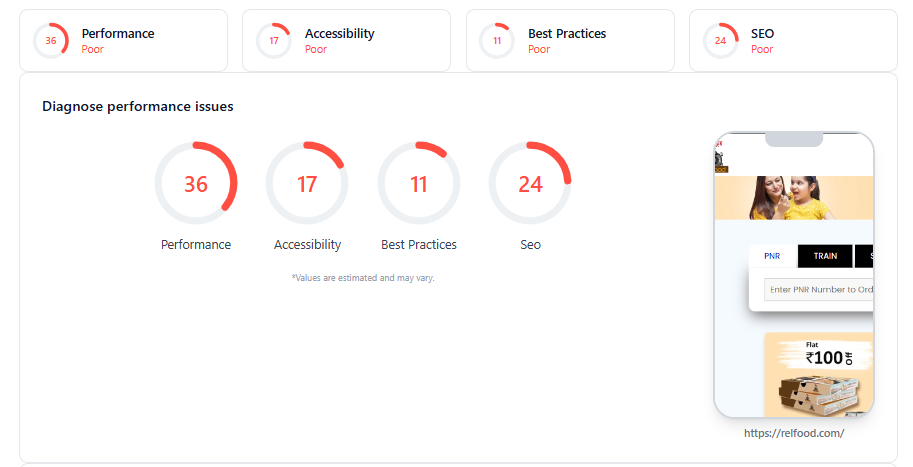
Before
  • Uncompressed restaurant and food imagery across all pages
  • Render-blocking scripts delaying first contentful paint
  • Unused JavaScript from third-party widgets and trackers
  • Weak cache policy on static assets
After
  • Critical CSS inlined, non-critical scripts deferred
  • Food and restaurant images served in WebP per breakpoint
  • LocalBusiness and FoodEstablishment schema winning rich results
  • Reduced main-thread work and improved LCP
Screenshots: Relfood performance report.

Core Web Vitals

The vitals, before and now

Google’s threshold for a good LCP is 2.5 seconds. Real-user measurements for this property are being collected.

Baseline
LCP
FCP
INP
CLS

Awaiting measurement — baseline Lighthouse audit pending.

Today
LCP
FCP
INP
CLS

Awaiting measurement — Chrome UX Report field data pending.

Read this carefully

Core Web Vitals measurements for Relfood are awaiting field data collection. Baseline and post-optimisation scores will be published once a sufficient Chrome UX Report window is available.

Still on the list

Heavy food imagery on restaurant and menu pages, third-party payment widgets, and third-party analytics scripts remain areas of ongoing performance work.

The fix list

Ten issues, each with a documented fix

Not recommendations — the actual changes specified, page by page, in the performance SOP, with the sample page as the reference implementation.

Issue foundWhat we changed
Render-blocking resourcesDefer non-critical scripts — preload key stylesheets
Unused JavaScriptStrip and defer unused tracking and widget bundles
Unused CSSExtract critical CSS with Critical / Penthouse
Text compression failingBrotli enabled at the CDN layer
Oversized food and restaurant imagesServe correctly sized images per breakpoint in WebP
Images with no width/heightExplicit width & height, plus CSS aspect-ratio
Offscreen imagesLazy-load anything below the fold
Weak cache policyCache-Control: public, max-age=31536000, immutable for static assets
Missing local business schemaLocalBusiness, FoodEstablishment and FAQ structured data added
No station or route contentProgrammatic station landing pages and route-based content created

The unglamorous part

The problems that don’t fit in a pitch deck

Most of this engagement was infrastructure nobody sees. It’s also the reason the rest worked.

Competing with IRCTC’s own platform

IRCTC’s direct ordering service had first-party domain authority. Every ranking required fundamentally deeper content, stronger trust signals and faster page experience than the government-owned competitor.

Heavy imagery across restaurant pages

Hundreds of restaurant partners with food photography created enormous image payloads. Uncompressed collection and menu pages devastated mobile performance for passengers ordering on the go.

No station or route content foundation

The site listed restaurants but had no station-specific landing pages. Without content targeting individual stations and routes, an entire tier of high-intent traffic was untapped.

Missing structured data

No LocalBusiness, FoodEstablishment or FAQ schema existed. Without structured data the platform was invisible to rich results and food ordering surfaces in Google search.

Third-party script overhead

Payment widgets, analytics trackers and chat scripts compounded into significant render-blocking weight on every page, especially damaging for passengers on mobile networks at railway stations.

Weak mobile app visibility

The Relfood app existed but had minimal search visibility for “food delivery train app” queries. App store listing optimisation and deep-link structure were both missing.

Results

What the engagement delivered

Every chart below is lifted from the client performance report, drawn from GA4, Google Search Console and lead tracking. Each metric can be verified in the analytics consoles.

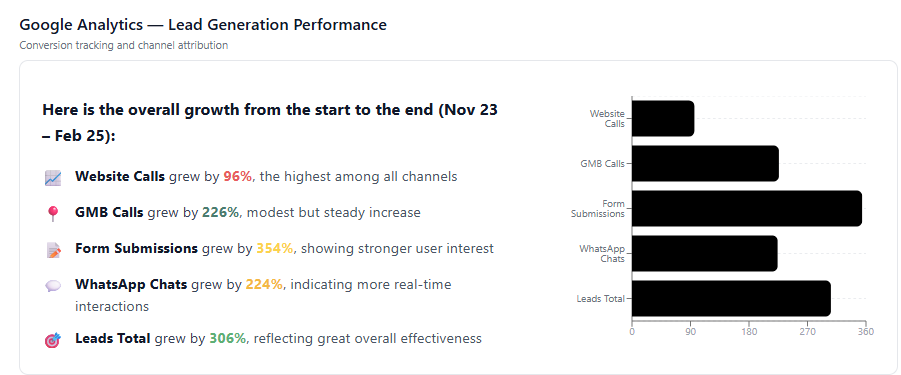
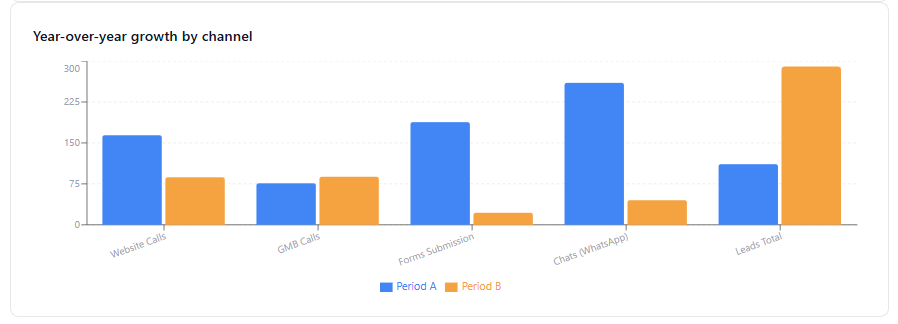
Overall growth by channel

Year-over-year growth by channel

Year-over-year growth by channel for Relfood

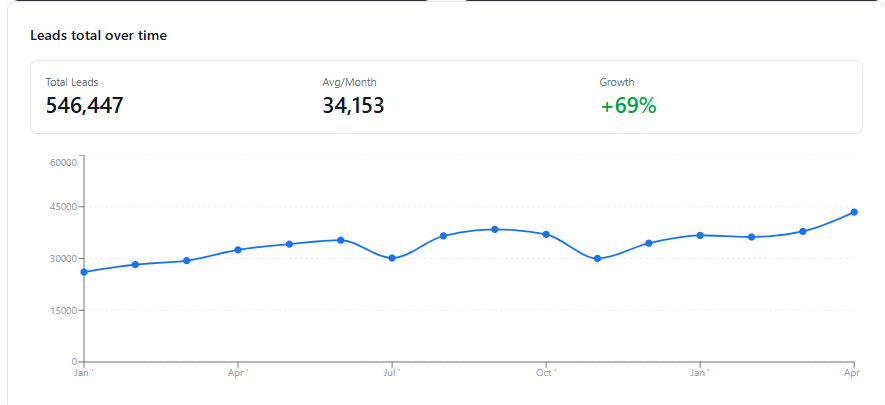
Total leads over time

Monthly leads

Line chart of Relfood total leads per month

Google Analytics — performance overview

Lead generation performance

Google Analytics lead generation performance for Relfood

Evidence

The traffic engine behind the leads

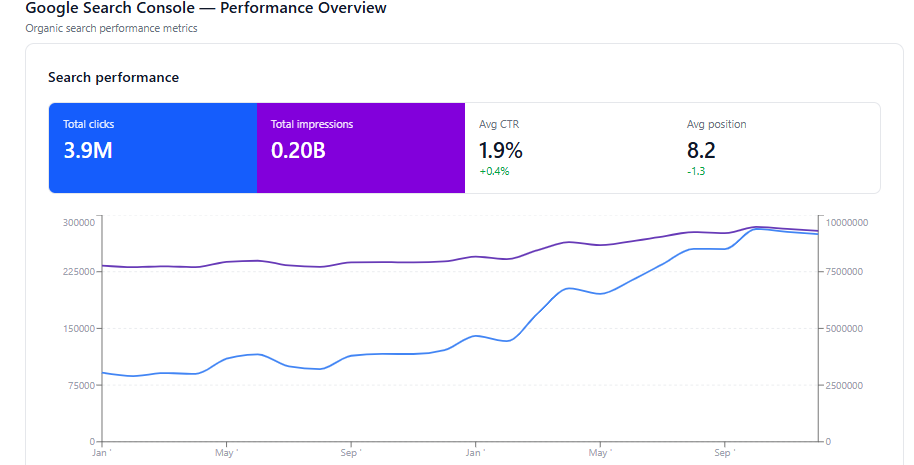
Search visibility and audience growth, straight from the consoles. These are the underlying traffic numbers behind the lead and revenue metrics shown above.

Google Search Console - clicks & impressions

Clicks, impressions, CTR and average position trending upward

Google Search Console chart showing Relfood clicks and impressions trending upward

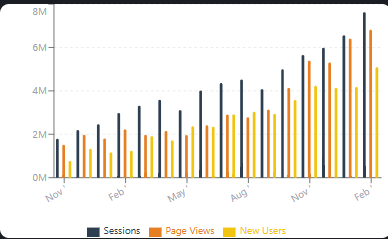
Sessions, page views & new users

Google Analytics — monthly

Bar chart of sessions, page views and new users rising each month

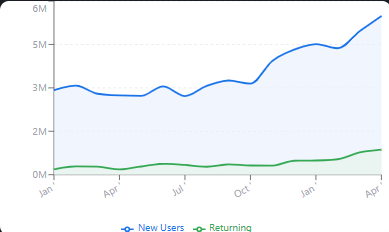
Retention

New vs returning users

Retention overview showing new and returning users for Relfood

Ooi Solutions

Train food delivery is about speed, trust and local search.

Relfood proves that an e-catering platform can own the railway food search landscape when the content strategy is built on station-specific landing pages, cuisine hubs, and IRCTC trust signals.

ooisolutions.in  —  hello@ooisolutions.in