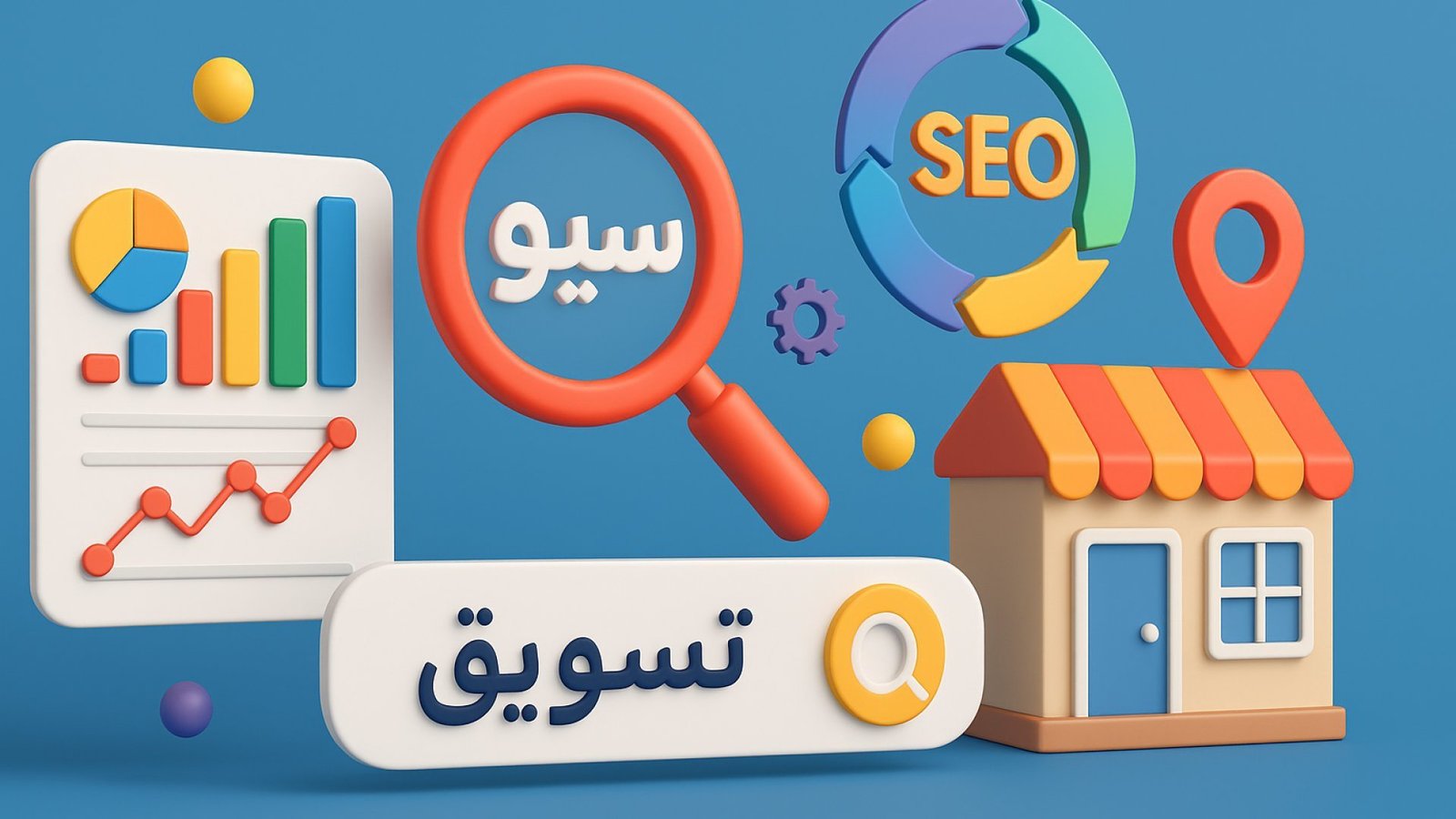

In today's digital landscape, mastering ecommerce SEO is crucial for online businesses looking to thrive. Whether you're utilizing Shopify or WooCommerce, understanding the nuances of search engine optimization can significantly enhance your store's visibility and sales. This complete guide will walk you through essential strategies, best practices, and actionable tips to improve your ecommerce site's ranking in search results.
Understanding Ecommerce SEO
Ecommerce SEO refers to the process of optimizing your online store to increase its visibility on search engines. Unlike traditional SEO, which may focus on content marketing or link building, ecommerce SEO is primarily concerned with product pages, categories, and user experience. The goal is to attract organic traffic that converts into sales.
Why Is Ecommerce SEO Important?
Key Components of Ecommerce SEO
To effectively optimize your ecommerce site, several key components should be addressed:
1. Keyword Research
Keyword research is the foundation of effective ecommerce SEO. Identify the terms and phrases potential customers use to search for your products. Tools like Google Keyword Planner, SEMrush, and Ahrefs can help you find relevant keywords.
When conducting keyword research, consider:
2. On-Page SEO
On-page SEO involves optimizing individual product pages and other elements of your site:
3. Technical SEO
Technical SEO ensures that search engines can crawl and index your website effectively. Key aspects include:
4. Link Building
Building quality backlinks is essential for improving domain authority. Consider strategies such as:
5. Local SEO
If you have a physical store, local SEO is vital. Optimize your Google My Business listing and encourage customer reviews to enhance your local presence. Key practices include:
Shopify SEO Strategies
Shopify is a powerful ecommerce platform with built-in SEO features. Here are some strategies to maximize your Shopify store's SEO:
Optimize Your Theme
Select a theme that is optimized for speed and SEO. Avoid overly complex themes that may slow down your website. Ensure that the theme is responsive, supporting mobile-friendly design to cater to the growing number of mobile shoppers.
Use SEO Apps
Leverage SEO apps available in the Shopify app store to enhance your SEO capabilities. Apps like SEO Manager and Plug in SEO can help you track performance, optimize images, and manage meta tags effectively.
Structured Data
Implement structured data (schema markup) to enhance the way your products appear in search results. This can lead to rich snippets, displaying additional information such as price and availability directly in search results, which can improve click-through rates.
WooCommerce SEO Strategies
For WooCommerce users, optimizing your online store requires a slightly different approach:
Utilize SEO Plugins
Install plugins like Yoast SEO or All in One SEO Pack to simplify the optimization process and provide valuable insights. These plugins can help with generating XML sitemaps, optimizing titles, and more.
Optimize Your Permalinks
Customize your permalinks to include relevant keywords, making URLs more SEO-friendly. For example, change the default structure to include the product name, such as /product-name/.
Content Marketing
Integrate a content marketing strategy by creating informative blog posts related to your products. This can attract organic traffic and establish your brand as an authority in your niche. For instance, if you sell running shoes, you could publish articles on "Top 10 Running Trails" or "How to Choose the Right Running Shoes." This not only boosts SEO but also provides value to your customers.
Measuring Your SEO Success
To determine the effectiveness of your ecommerce SEO efforts, regularly monitor key performance indicators (KPIs) such as:
Conclusion
Mastering ecommerce SEO is essential for online retailers who want to enhance their visibility and drive sales. By implementing the strategies outlined in this guide, whether on Shopify or WooCommerce, you can build a strong foundation for your ecommerce success. Remember, SEO is an ongoing process; stay updated with the latest trends and continuously optimize your site to stay ahead of the competition.
FAQ