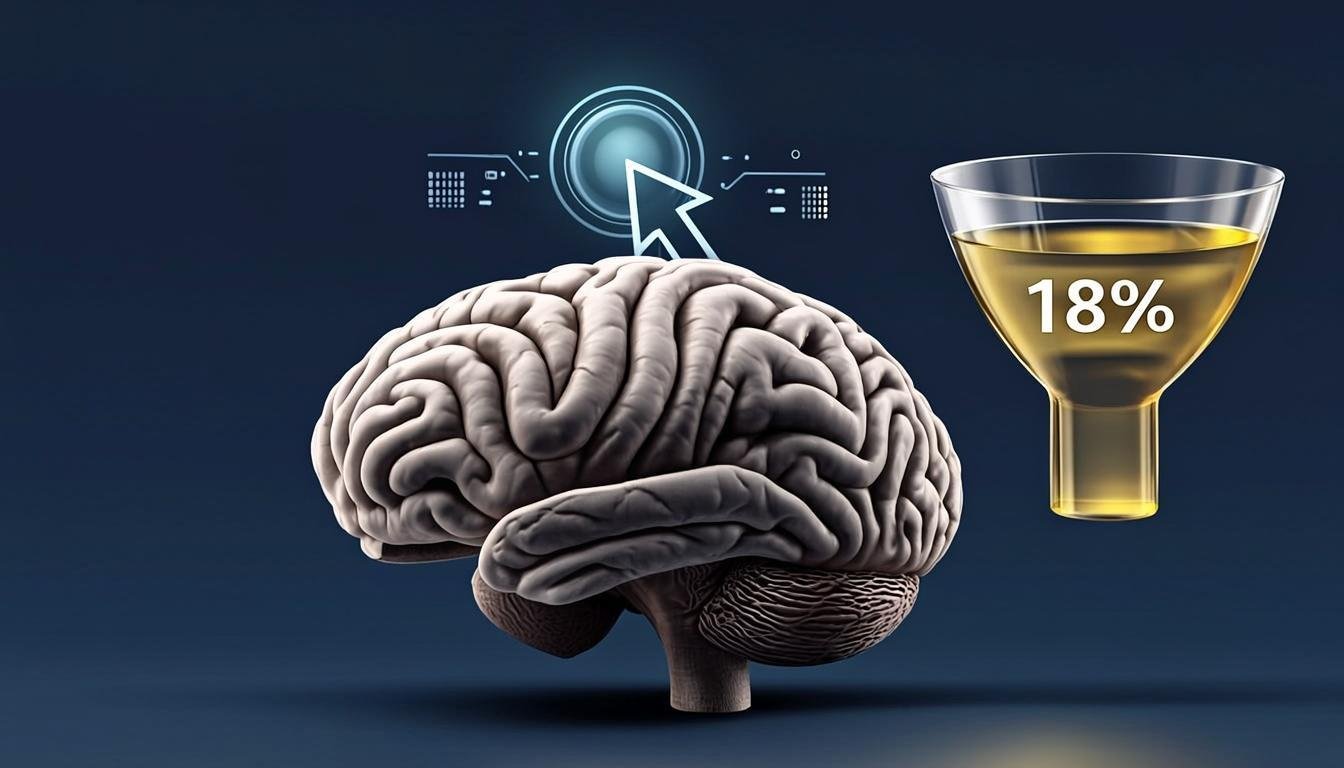
Most teams treat micro-interactions as decoration. This is a strategic mistake. When designed with cognitive psychology in mind, micro-interactions become silent salespeople — guiding attention, reducing anxiety, and increasing conversion rates by 18% or more.
01 Why Micro-Interactions Matter
Every interaction a user has with your site triggers a micro-decision: continue or abandon? Micro-interactions are the small moments of feedback that influence these decisions. A button that responds to hover, a form that validates as you type, a checkout that confirms each step — these details compound.
In our 15 years of CRO work, we have run 500+ A/B tests on micro-interactions. The pattern is consistent: sites with thoughtfully designed micro-interactions convert 12-25% better than sites without them.
"Micro-interactions are the difference between a site that feels alive and a site that feels dead. Users don't know why they prefer one — they just do."
02 Psychological Principles
Effective micro-interactions leverage seven well-documented cognitive biases:
03 High-Impact Patterns
After 500+ A/B tests, these are the micro-interaction patterns that consistently win:
04 Measuring Impact
Micro-interaction impact is measurable if you set up the right tracking:
Micro-interactions are the most under-appreciated lever in CRO. They're cheap to implement, measurable in impact, and compound over time. Start with the seven psychological principles above, measure relentlessly, and watch your conversion rate climb.